
No products in the cart.
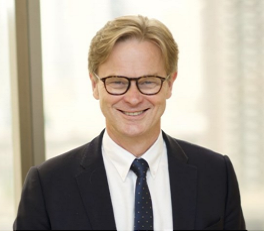
Group executive. 20 Years of CEO and C-level experience in high tech and online media. Large company and start up experience. General management and PL responsibility in software and services business, Online media and advertising as well as hardware and infrastructure.
13 patents/applications and 5 languages.
Peter is a group executive with experience from Nokia, TeliaSonera and Citibank. General management and P&L experience in software and services. Financial services experience from Startrader, London Capital Group, Infinox and BDSwiss. Gaming experience from Cecure Gaming. Medical online market analysis experience from Novartis. Online medical services experience from Bonnier Business Media. Media experience from a Turner Broadcasting subsidiary. Connected hardware experience from Foxconn. Artificial intelligence experience from Objectivity and Harvard Medical School.
Interview with Peter Karsten – CEO
Interviewer: Thank you for joining us today, we are excited to learn more about Breathing Fish and its plans to design and operate a full production chain for farmed salmo salar at its RAS farms. Can you tell us more about the market demand for this type of sustainable fish production in Korea?
Peter: Absolutely, as you mentioned, Koreans are the world’s largest per capita consumers of seafood and in 2021, the country imported 5.74bn USD worth of seafood, which is 3.8bn USD more than it exported. Currently, more than half of Korea’s seafood is imported from China, Russia, Vietnam, and Norway. However, we have noticed a trend towards sustainable fish production and an increased market preference for locally produced food. Additionally, there is a growing interest in diets with less red meat and a premium price is often placed on food without antibiotics, chemicals, or pesticides.
Interviewer: That’s interesting. Can you tell us more about your plans to operate a 20,000 square meter farm unit with a fish stock level of 3,000 metric tons?
Peter: Yes, we plan to hatch, grow, process, and deliver fish from one nearly closed-loop plant, which will minimize the impact of external factors such as the weather, climate, and water supply disturbances. Our salmon fillet yield is expected to peak at 20 months and 4kg. We anticipate operating one farm unit with a fish stock level of 3,000 metric tons, which has the potential to yield 600 tons monthly and generate approximately 3m USD in gross monthly revenue. We expect to achieve more than 5m tons in gross annual production of fish per farm unit.
Interviewer: That’s impressive. Who do you expect to be your primary customers?
Peter: We expect to receive significant B2B interest in our product from major supermarket chains such as Emart, HomePlus, and Lottemart, as well as premium markets like Hyundai, Shinsegae, Galleria, and Lotte. We also anticipate interest from home shopping companies like GS, Shinsegae, CJ, and Lotte, as well as internet companies with refrigerated truck fleets like Coupang and Market Kurly. There may also be potential for B2C sales and interest in byproducts such as animal feed and farm fertilizers. We are also considering expanding to additional markets in the future.
Interviewer: Thank you for sharing this information with us. Can you tell us more about your management team and their ability to execute this plan?
Peter: Absolutely. We are confident in our management team’s ability to successfully execute this plan. They have a wealth of experience in the seafood industry and a track record of successful operations. We believe they are well-equipped to oversee the production and delivery of high-quality, sustainably farmed salmon to our customers.